Autism Unit
What is autism?
Autism Spectrum Disorder (ASD) is a complex neurodevelopmental condition that affects how a person perceives and interacts with the world. It’s often misunderstood, leading to misconceptions. This blog will break down the key features of ASD in a simple, easy-to-understand way, aiming to provide clarity for parents, teachers, and the general public.
Key Points
Definition of ASD:
- Lifelong condition: Autism is a lifelong neurodevelopmental condition that impacts a person’s social interactions, communication, and behaviour. It exists on a spectrum, meaning its severity and manifestation can vary widely from one individual to another.
- Symptoms: Core symptoms include difficulties with social communication, restrictive and repetitive behaviours, and varying degrees of sensory sensitivities.
Signs and Symptoms:
- Social difficulties: People with ASD may have trouble maintaining eye contact, reading social cues, or understanding non-verbal communication.
- Repetitive behaviours: This might include actions like hand-flapping, rocking, or an insistence on routine.
- Sensory sensitivities: They may be over-sensitive or under-sensitive to sensory stimuli like lights, sounds, or textures.
At Randburg Clinic School we treat every learner like the au-some individual that they are.
RCS Autism Curriculum
The school uses an adapted version of the CAPS curriculum to suit the learning needs of learners with autism.
- Baseline Assessment: Conducted initially to gather information on the learner’s current skills and abilities.
- IEP Development: An Individualized Educational Plan (IEP) is created based on the baseline assessment results.
The plan is tailored to the learner’s learning style and interests.
Goals and targets are discussed during Parent-Teacher Meetings.
The IEP is reviewed and updated quarterly following assessments and reports.
- Lesson Planning:
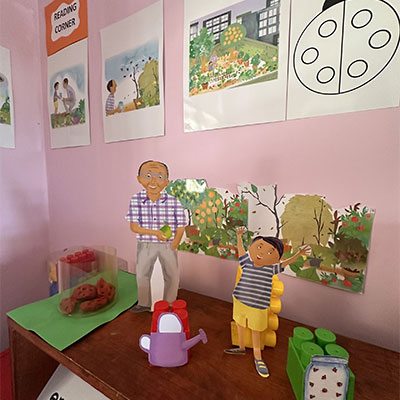
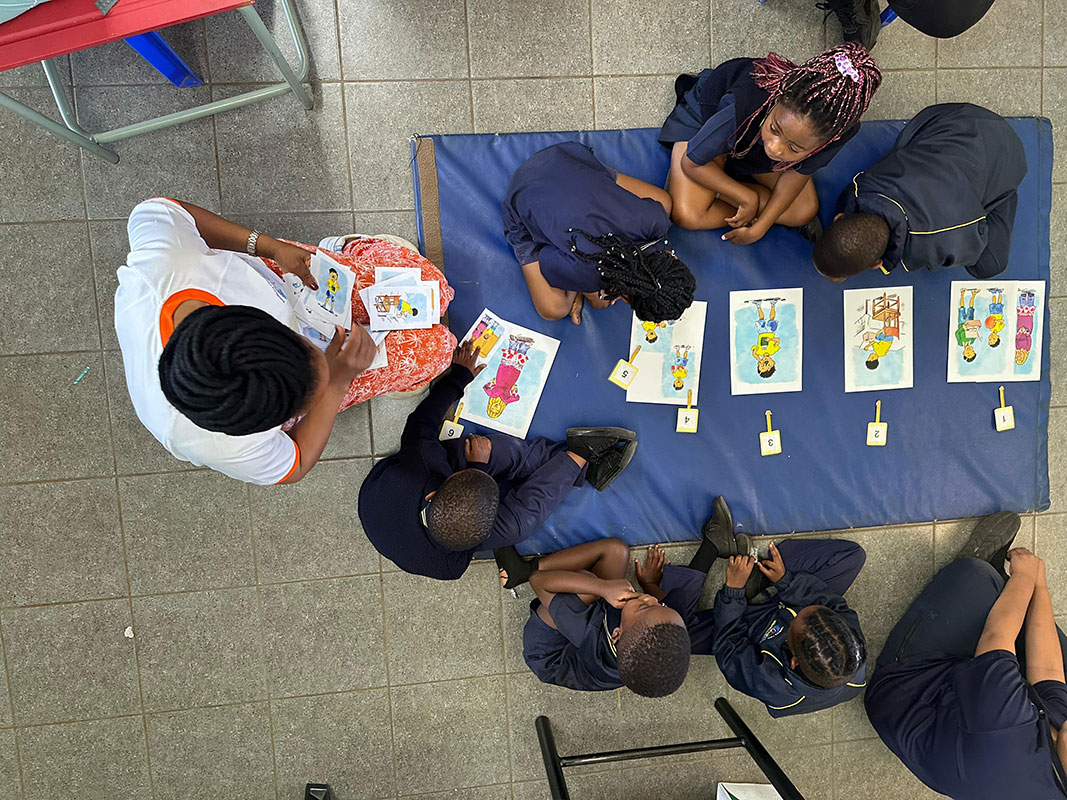
Lessons incorporate visually rich materials, including pictures, photos, symbols, and signs, to support concept understanding.
Everyday interactions help learners develop an understanding of emotions.
- Learning Approach:
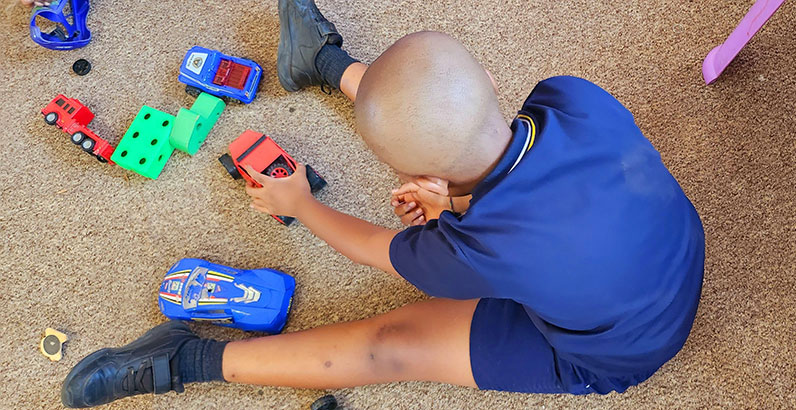
Play-based and engaging lessons create positive shared experiences.
Visual schedules assist learners in transitioning between activities.
- Social Development:
Social stories are used to help learners understand social situations.
- Motor Development:
Gross and fine motor skills are developed during weekly sessions at the Gross Motor Gym and Trampoline Area.
- Sensory Integration:
Learners suspected of sensory integration challenges are assessed by trained therapists.
Strategies are shared with educators to modify the environment and provide necessary support.
Enrichment Program
The Enrichment Program offers a more academically focused approach to break common misconceptions about learners
with autism. This program emphasizes formal academic learning and assessments. Exclusive features include:
- Coding and Robotics
- Hospitality
Our classroom setup
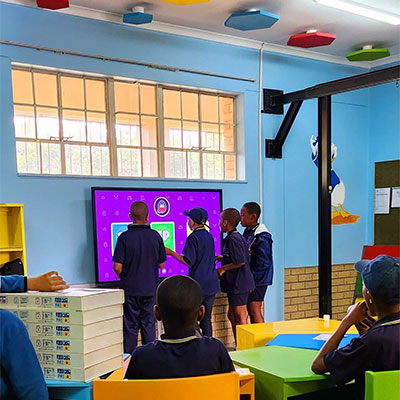
There is an average of 8 learners per classroom, along with a teacher and a classroom assistant. Our classrooms are ASD friendly with Visual Schedules, Visual and concrete Learning aids as well as individual learning stations for independent based tasks a common area for group activities.
Our language of learning, teaching and communication
English is the main language of learning and teaching in conjunction with a number of Augmentative and Alternative Communication (AAC) methods to increase learners’ expressive communication. Supplementary communication methods are an integral part of our curriculum delivery and encourages learners to be more independent. At RCS we implement the following:
- Makaton Sign Language
- Picture Exchange Communication System (PECS)
- Treatment and Education of Autistic and related Communication handicapped Children (TEACCH)
In addition to the above-mentioned methods, social stories are another one of the tools we implement as part of our curriculum.